
Blog
Slip and Fall Injuries in Stores and Shopping Centers: Who’s Liable in New Jersey?
- March 01, 2026 Leer en Español
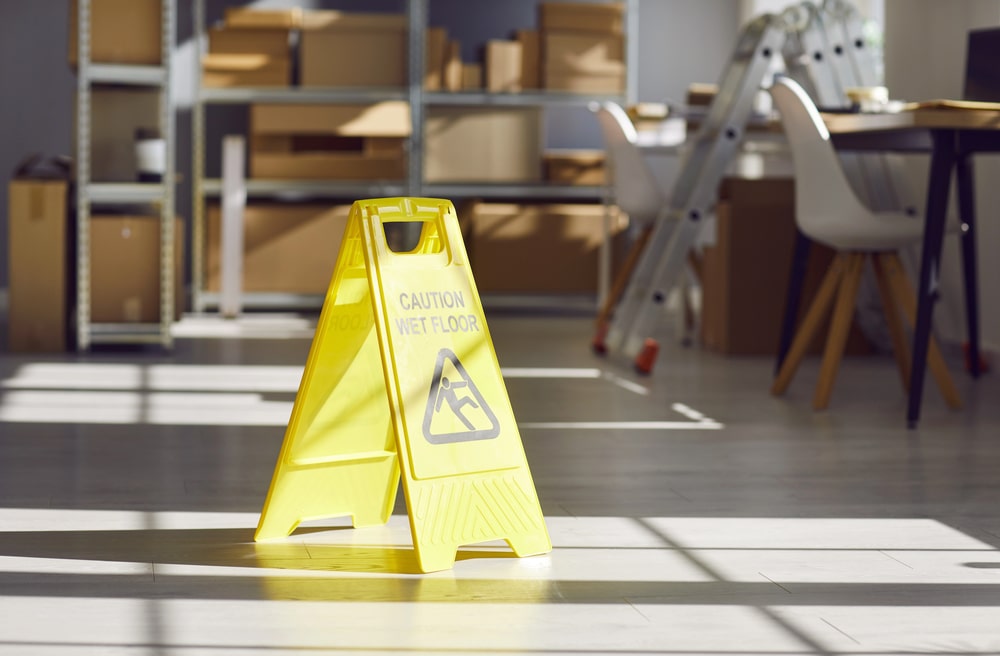
You don’t expect a routine visit to the grocery store or mall to leave you in the emergency room. But every year, hundreds of New Jersey shoppers are injured in preventable slip-and-fall accidents caused by unsafe property conditions such as spilled liquids, uneven flooring, icy sidewalks, or poorly maintained entryways.
When you suffer a store injury in New Jersey, you may wonder who’s actually responsible: the store, the landlord, the cleaning crew, or all of them. The answer isn’t always simple, but it’s crucial to your recovery.
At Antonucci Law, we’ve helped clients uncover the facts behind liability, prove negligence through surveillance evidence, and pursue accountability where appropriate.
Why Slip and Fall Accidents Happen So Often
Slip and fall accidents in commercial spaces can occur in many locations, including supermarkets, department stores, restaurants, malls, and parking lots. Common causes include:
- Spilled liquids or food not promptly cleaned up
- Recently mopped floors without warning signs
- Torn carpets, loose tiles, or uneven flooring
- Cracked or icy sidewalks outside entrances
- Poor lighting in stairwells or corridors
- Cluttered aisles and tripping hazards
Many of these situations may be preventable. Businesses and property owners generally have a responsibility to maintain safe conditions and warn customers of potential hazards.
Who May Be Liable in a Store or Shopping Center Accident?
In some cases, more than one party may be involved in maintaining the property. Liability can potentially include:
- The property owner (landlord), who may be responsible for the overall condition of the building and common areas
- The tenant or store operator, who may handle daily operations and interior safety
- Maintenance or cleaning contractors, if they were responsible for upkeep and failed to address hazards
Understanding how responsibility is shared can be important when evaluating a claim.
How Premises Liability Works in New Jersey
Under New Jersey law, property owners and businesses generally owe a duty of care to lawful visitors. This may include:
- Regularly inspecting the property
- Addressing or repairing dangerous conditions
- Providing visible warnings when hazards exist
- Maintaining safe lighting, stairs, and walkways
To pursue a claim, it is typically necessary to show:
- A hazardous condition existed
- The responsible party knew or should have known about it
- They did not address it within a reasonable time
- The condition contributed to the injury
The Role of Surveillance Evidence
Security cameras are common in commercial properties, and footage may provide important context in some cases.
- Showing how long a hazard was present
- Capturing activity around the area before an incident
- Documenting the circumstances of a fall
Because footage may only be retained for a limited time, timing can be an important factor.
Common Injuries After a Slip and Fall
Slip and fall accidents can result in a range of injuries, including:
- Broken bones such as wrists, ankles, or hips
- Head injuries or concussions
- Back and neck injuries
- Soft tissue damage
- Reduced mobility or ongoing pain
Symptoms may not always appear immediately, and follow-up care is often necessary.
Why Quick Settlements Can Be Risky
After an injury, insurance representatives may reach out quickly with an offer. These early settlements may not always account for longer-term impacts.
Insurance companies understand that after an accident, many people want closure quickly, especially when expenses are increasing. That is why it is important to evaluate medical, financial, and personal factors before making a decision.
Building a Strong Case
Slip-and-fall cases are often handled with a focus on preparation, documentation, and clear communication.
This may include:
- Reviewing the scene and available evidence
- Preserving documentation such as reports or footage
- Coordinating medical records
- Evaluating potential liability
- Exploring resolution through negotiation or litigation if necessary
The Role of Comparative Negligence
New Jersey follows a comparative negligence rule. This means compensation may be reduced based on a person’s percentage of responsibility.
For example, if someone is found to be 30% responsible and total damages are $1,000,000, recovery may be reduced to $700,000.
What to Look for in Legal Representation
When evaluating legal representation, factors to consider may include:
- Experience with litigation: Some attorneys handle cases that may proceed through the legal process
- Familiarity with local courts: Understanding regional procedures can be helpful
- Communication: Clear updates can help clients stay informed
Common Questions After a Store Injury
What if I didn’t notice the hazard?
In some situations, hazards may not be obvious. Each case depends on the specific facts involved.
What if there’s no video?
Other forms of evidence, such as witness statements or documentation, may still be relevant.
Does a parking lot accident count?
Outdoor areas may also be considered part of the premises depending on the circumstances.
How long do I have to file a claim?
In New Jersey, there are legal time limits that may apply, often around two years, though exceptions can exist.
Do I have to go to court?
Some cases are resolved through settlement, while others may proceed further depending on the situation.
Protecting Your Rights After a Store Injury
If you’ve been injured in a store or commercial property in New Jersey, understanding your options is an important first step.
Contact Antonucci Law to learn more about your situation and next steps.