
Blog
Slip and Fall Injuries in Stores and Shopping Centers: Who’s Liable in New Jersey?
- March 01, 2026 Leer en Español
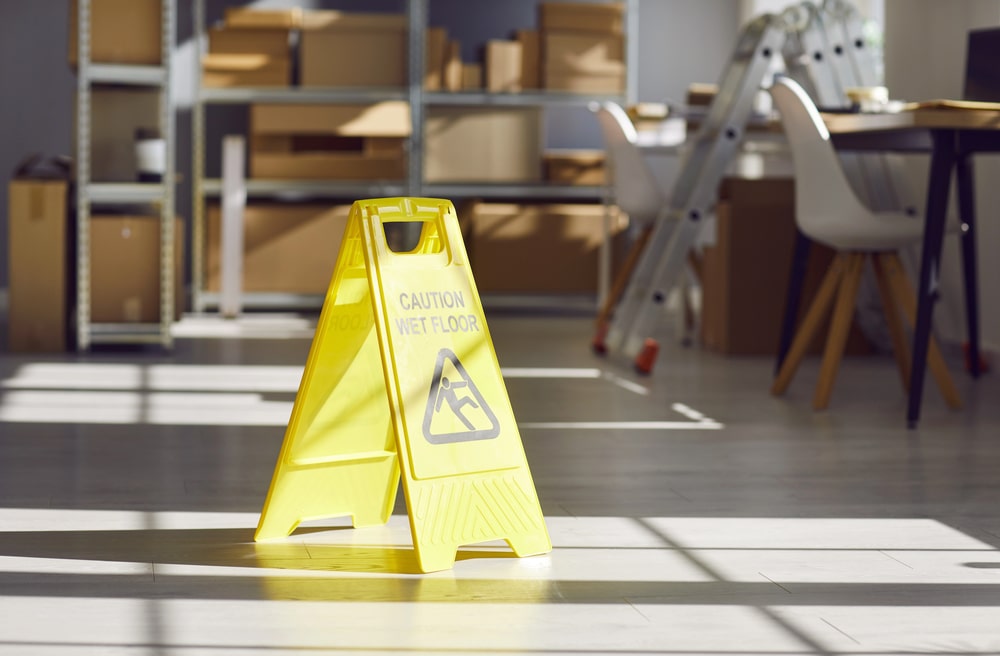
You don’t expect a routine visit to the grocery store or mall to leave you in the emergency room. But every year, hundreds of New Jersey shoppers are injured in preventable slip-and-fall accidents caused by unsafe property conditions — spilled liquids, uneven flooring, icy sidewalks, or poorly maintained entryways.
When you suffer a store injury in New Jersey, you may wonder who’s actually responsible: the store, the landlord, the cleaning crew, or all of them. The answer isn’t always simple — but it’s crucial to your recovery.
At Antonucci Law, we’ve helped countless clients uncover the truth about who’s liable, prove negligence through surveillance evidence, and hold corporations accountable. As an experienced slip and fall lawyer in NJ, our team knows how to turn what looks like “just an accident” into a winning case backed by facts, footage, and law.
Why Slip and Fall Accidents Happen So Often
Slip and fall accidents in commercial spaces can occur anywhere: supermarkets, department stores, restaurants, malls, and parking lots. The most common causes include:
- Spilled liquids or food not promptly cleaned up
- Recently mopped floors without warning signs
- Torn carpets, loose tiles, or uneven flooring
- Cracked or icy sidewalks outside entrances
- Poor lighting in stairwells or corridors
- Cluttered aisles and tripping hazards
What makes these cases especially frustrating is that most could have been prevented. Businesses and property owners have a legal duty to maintain safe conditions and warn customers of potential hazards. When they fail to do that, they may be liable under premises liability law.
Who’s Liable in a Store or Shopping Center Accident?
One of the most common misunderstandings in store injury New Jersey cases is assuming only the store is responsible. In reality, liability can extend to:
- The property owner (landlord): responsible for the overall condition of the building, exterior, and common areas.
- The tenant or store management: responsible for daily operations, cleaning, and maintaining safe walkways for customers.
- Maintenance or cleaning contractors: if they were hired to handle spills, snow, or janitorial duties and failed to do so correctly.
A skilled premises liability attorney investigates every layer of responsibility to identify all liable parties — not just the one most visible.
This distinction matters because each party’s insurance coverage and defense team will try to shift blame elsewhere. Without strong representation, your claim can get lost in that shuffle.
How Premises Liability Works in New Jersey
Under New Jersey law, business owners and landlords owe a duty of care to people who enter their property legally — including customers, delivery drivers, and employees. That means they must:
- Inspect the property regularly
- Repair or remove dangerous conditions
- Post visible warnings (wet floor signs, caution cones, etc.)
- Maintain lighting, stairs, and handrails
When that duty is breached and someone gets hurt, the law allows the victim to pursue a premises liability claim for damages.
However, success depends on proving more than just an injury. You must show that:
- The property owner or store knew or should have known about the hazard.
- They failed to fix or warn about it in a reasonable time.
- That failure directly caused your injury.
Each element must be supported by evidence — which brings us to one of the most powerful tools in any modern slip-and-fall case: surveillance footage.
The Power of Surveillance Evidence
In commercial properties, security cameras are everywhere — entrances, aisles, stockrooms, and parking lots. That footage can make or break your case.
Surveillance video can:
- Show how long a spill or hazard was present before the fall.
- Capture employees walking past without taking action.
- Document the exact moment of the fall and its cause.
- Counter false claims that you “weren’t paying attention.”
Unfortunately, most businesses don’t preserve footage for long — often only 7–14 days. That’s why contacting an attorney immediately is critical.
At Antonucci Law, we send prompt preservation letters to stores and property owners to prevent evidence from being deleted. Our team also interviews employees, subpoenas maintenance logs, and compares footage timestamps to cleaning records.
This early, decisive action often exposes patterns of neglect that corporations would rather hide.
Common Injuries After a Slip and Fall
Even what seems like a minor fall can cause serious or lasting harm. Common injuries include:
- Broken bones (wrists, ankles, hips)
- Head injuries or concussions
- Back and neck trauma
- Torn ligaments or muscle damage
- Spinal cord injuries leading to partial paralysis
- Chronic pain or reduced mobility
Victims often underestimate how severe these injuries are until days later, when swelling, dizziness, or pain intensifies.
An experienced slip and fall lawyer in NJ helps document your medical treatment early and ensures insurers can’t argue that your injuries are unrelated or “pre-existing.”
Why Quick Settlements Are Risky
After a store injury, insurance representatives may contact you quickly with a “fast offer.”
They sound helpful — but these early settlements rarely account for ongoing therapy, future medical costs, or lost income.
They sound helpful — but these early settlements rarely account for ongoing therapy, future medical costs, or lost income.
Worse, once you sign, you can’t reopen the claim.
Insurers know many victims want closure, especially when bills pile up. But a premises liability attorney will calculate full damages — medical, financial, and emotional — before you accept any amount.
Building a Strong Case
At Antonucci Law, we approach slip-and-fall cases like we do every injury claim: thoroughly, strategically, and with compassion.
Our process includes:
- Immediate Investigation — visiting the scene, collecting photos, and identifying potential witnesses.
- Preserving Evidence — securing surveillance footage, incident reports, and employee statements.
- Medical Coordination — ensuring clients receive proper evaluations and documentation.
- Liability Analysis — determining whether the owner, tenant, or both failed in their legal duty.
- Negotiation or Litigation — pursuing settlement first, but preparing every file as if it will go to trial.
That last step is key. Insurance companies offer fair settlements when they know they’re dealing with a firm that can win in court.
The Role of Comparative Negligence
New Jersey follows the comparative negligence rule. That means even if you were partially responsible for the accident (for example, distracted by your phone), you may still recover compensation — just reduced by your percentage of fault.
If you were 20% responsible, for instance, and your damages total $100,000, you could still receive $80,000.
A knowledgeable premises liability attorney can counter attempts by insurers to inflate your share of fault and minimize what you’re owed.
How Antonucci Law Makes a Difference
Our firm’s success in store injury New Jersey cases comes from three core strengths:
- Trial Experience: As Certified Civil Trial Attorneys, we know how to present evidence powerfully to juries. That reputation alone increases settlement value.
- Local Insight: Years of handling cases across Union and Middlesex Counties give us familiarity with court expectations, judges, and opposing counsel.
- Compassion and Communication: We believe clients deserve updates, not uncertainty. You’ll always know where your case stands.
When you work with Antonucci Law, you’re not just hiring a lawyer — you’re gaining a dedicated advocate who treats your case with the care it deserves.
Client Questions Answered (Fresh Q&A Format)
Instead of a traditional FAQ, this version answers realistic concerns we hear from clients every week — conversationally and with practical insight.
“What if I didn’t notice the hazard before I fell?”
That’s common. The law doesn’t expect you to inspect every inch of a store before shopping. If the hazard wasn’t obvious and the property owner failed to fix or warn about it, they can still be held liable
“The manager said there’s no video. Is my case over?”
Not necessarily. Even if footage was deleted, we can gather other evidence — witness testimony, maintenance logs, or timestamps from receipts and 911 calls. The earlier you contact a lawyer, the more options we have to recover proof.
“I fell in the parking lot. Does that count?”
Yes. Outdoor areas like parking lots and walkways are part of the premises. If snow, ice, or poor lighting caused your fall, the property owner or management company may be responsible for failing to maintain them safely.
“How long do I have to file a claim?”
In New Jersey, most slip-and-fall victims have two years from the date of injury to file a lawsuit — but evidence like video footage can disappear within days. The sooner you act, the stronger your case.
“Do I have to go to court?”
Not always. Many cases settle once insurers see the evidence and know we’re prepared for trial. Our readiness often drives faster, fairer results.
Protecting Your Rights After a Store Injury
If you or someone you love has been hurt in a store injury in New Jersey, you shouldn’t have to face corporations and insurers alone.
At Antonucci Law, we combine aggressive advocacy with compassion. We’ll gather the evidence, handle the paperwork, and fight for the compensation you deserve — so you can focus on recovery.
Even what seems like a small fall can have lasting effects. Don’t let a property owner decide what your health is worth.
Contact Antonucci Law today for a free consultation.
No upfront fees. No risk. Just trusted advocates standing up for injured New Jersey shoppers.
Put us to work for you with a