
Blog
Rear-End Car Accidents in New Jersey: Proving Fault and Getting Maximum Compensation
- February 01, 2026 Leer en Español
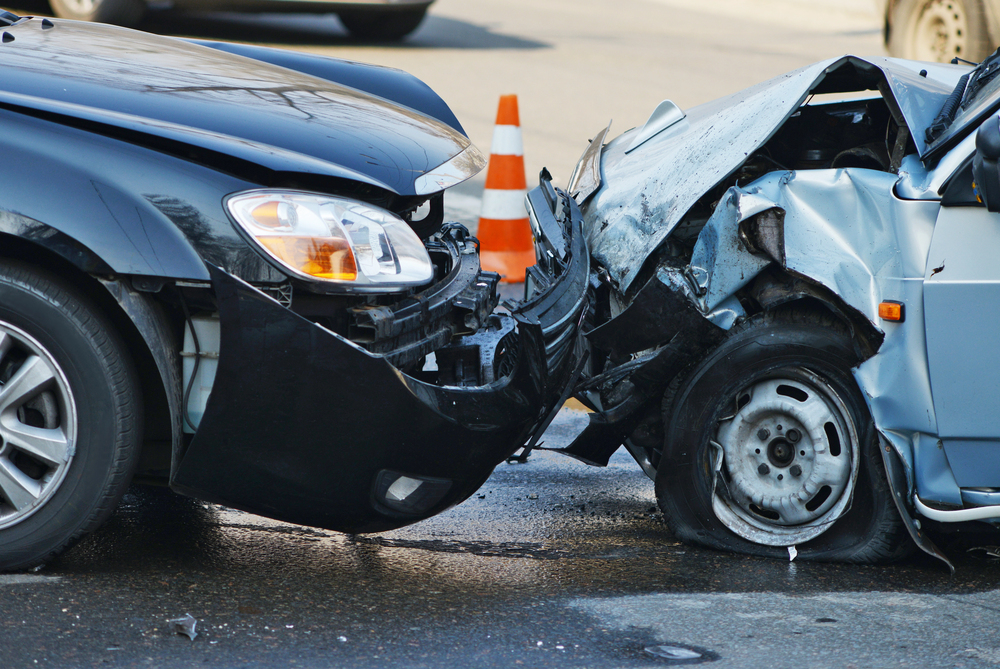
Rear-end collisions are among the most common types of car accidents in New Jersey, including in areas like Union County, Newark, and Middlesex County. While these crashes may seem straightforward, they can lead to serious neck, back, and soft-tissue injuries that are not always immediately visible.
If you have been involved in a rear-end car accident in NJ, understanding your rights and how these claims are evaluated is an important first step. Speaking with a personal injury lawyer in New Jersey can help you better understand what factors may affect your situation.
At Antonucci Law, we work with individuals across New Jersey who have been injured in car accidents. These cases often involve questions about fault, medical documentation, and insurance coverage that are not always simple.
Why Rear-End Collisions Happen So Often
Rear-end accidents account for a significant portion of crashes, particularly in high-traffic areas such as Route 22 and the Garden State Parkway. These collisions are often caused by:
- Distracted driving, such as texting or using navigation
- Following too closely, which reduces reaction time
- Speeding or aggressive driving
- Sudden stops in heavy traffic
- Impaired or fatigued driving
Although the rear driver is often considered at fault, each case depends on the specific facts involved.
Why These Cases Are Not Always Simple
Rear-end accidents may appear clear at first, but several factors can complicate a claim. Fault may be disputed, injuries may develop over time, and insurance companies often evaluate claims based on available documentation.
In these situations, a personal injury lawyer in NJ can help review the details and identify what information may be relevant to the claim.
What to Do After a Rear-End Car Accident in NJ
The steps taken after an accident can affect how a claim develops. Important actions may include:
- Calling the police and obtaining an official report
- Seeking medical attention, even if symptoms seem minor
- Taking photos of vehicles, damage, and the accident scene
- Exchanging information with the other driver
- Being cautious when discussing the accident or fault
- Speaking with a personal injury lawyer before providing detailed statements
Common Mistakes That Can Affect a Claim
Certain actions after an accident may create challenges during the claims process. These can include:
- Accepting a settlement before medical treatment is complete
- Assuming injuries will resolve without documentation
- Posting details about the accident on social media
- Handling communication with multiple insurers alone
- Not following recommended medical care
Common Injuries After Rear-End Collisions
Rear-end accidents can lead to a range of injuries, including:
- Whiplash and neck strain
- Back and spinal injuries
- Soft tissue damage
- Head injuries or concussions
- Delayed onset pain or stiffness
In many cases, symptoms may not appear immediately. A personal injury lawyer can help ensure that injuries are properly documented when evaluating a claim.
The Role of Comparative Negligence in New Jersey
New Jersey follows a comparative negligence rule. This means that responsibility for an accident can be shared between parties, and any recovery may be adjusted based on that percentage.
For example, if someone is found to be 30% responsible and total damages are $1,000,000, the potential recovery may be reduced to $700,000.
Understanding how fault is assigned can be an important part of evaluating a case with a personal injury lawyer in New Jersey.
How Rear-End Accident Claims Are Evaluated
Insurance companies typically review several factors when evaluating a claim. These may include:
- Police reports and accident documentation
- Medical records and treatment history
- Photos of the vehicles and scene
- Extent of vehicle damage
- Timeline of injuries and recovery
A personal injury lawyer in NJ can help organize and review this information to ensure the claim is properly presented.
Common Questions After a Rear-End Accident in New Jersey
Do I need to see a doctor if I feel fine?
In many cases, yes. Some injuries may not appear immediately and can develop over time. Medical documentation can also be important when evaluating a claim.
How long do I have to file a claim in New Jersey?
In most cases, individuals have two years to file a personal injury claim. This applies across New Jersey, including Union County and Middlesex County, although specific circumstances may affect deadlines.
What if the other driver denies fault?
Fault may still be evaluated based on evidence such as reports, photos, and witness statements. A personal injury lawyer can help review these factors.
Can I recover compensation if I was partially at fault?
Yes. Under New Jersey law, recovery may still be possible depending on your percentage of responsibility.
Should I speak with the insurance company right away?
Insurance companies often reach out quickly after accidents in areas like Newark and Roselle Park. It may be helpful to understand your situation before providing detailed statements.
Moving Forward After a Rear-End Accident
A rear-end accident can affect your health, your daily routine, and your finances. Understanding how these cases work and what factors may influence your claim can help you make informed decisions about next steps.
After a rear-end accident in New Jersey, the decisions you make early can influence how your case develops. Having the right information and guidance can make a meaningful difference as you move forward.
Contact Antonucci Law today for a free consultation.