
Blog
Parking Lot Accidents in New Jersey: Why These Claims Are More Complicated Than They Seem
- August 01, 2026 Leer en Español
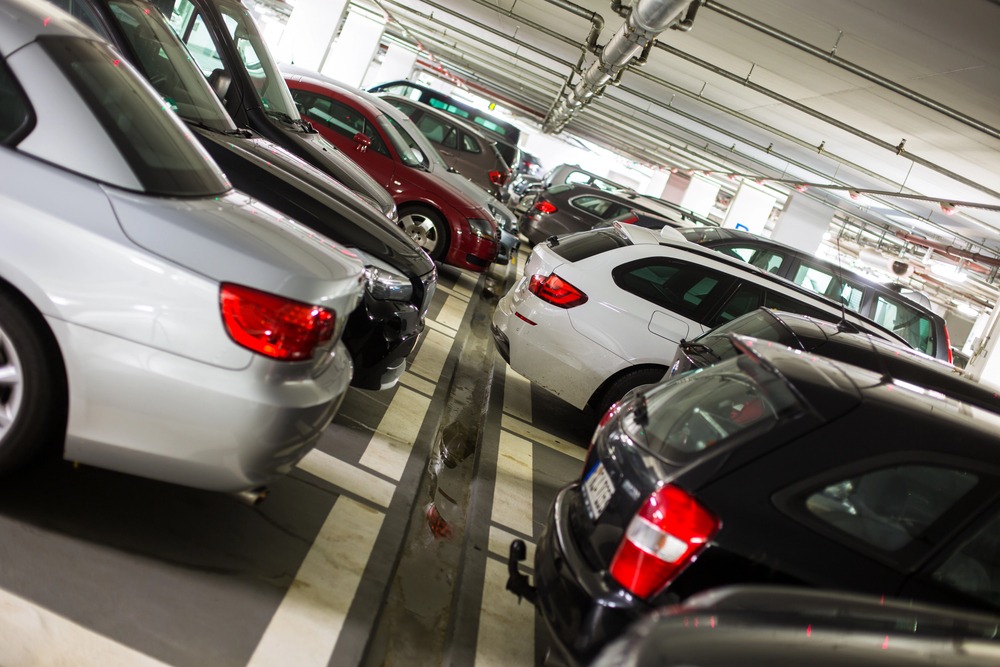
Many drivers assume parking lot accidents are nothing more than minor fender benders. Because these crashes often happen at lower speeds, people may believe the damage and injuries are automatically less serious than those caused by highway collisions. In reality, parking lot accidents in New Jersey can lead to expensive vehicle repairs, painful injuries, and complicated insurance disputes.
A private property crash presents unique legal and practical challenges that are often overlooked in the moments after an accident. Unlike collisions on public roads, parking lot accidents frequently involve unclear traffic patterns, disputed right-of-way issues, limited police involvement, and questions about liability. Even determining who caused the accident may not be straightforward.
Whether the collision involves two vehicles backing out at the same time, a pedestrian in a busy shopping center, or multiple drivers disputing fault, these claims can quickly become more complex than expected. For that reason, many injured drivers turn to a parking lot accident lawyer NJ residents trust for guidance when navigating insurance claims and evidence disputes.
Why Parking Lot Accidents Are More Common Than Drivers Realize
Parking lots create a unique driving environment that increases the risk of collisions. Drivers are often navigating tight spaces, searching for open spots, watching for pedestrians, and maneuvering around shopping carts or parked vehicles. These distractions can reduce reaction time and increase the likelihood of an accident.
Limited visibility is another major issue. Large SUVs, trucks, and vans can block sightlines, making it difficult for drivers to see approaching vehicles or pedestrians. At the same time, some drivers move through parking lots quickly or ignore directional arrows and stop signs.
Common parking lot accident scenarios include:
- Vehicles backing into each other simultaneously
- Rear-end collisions in parking lot lanes
- Drivers striking pedestrians
- Dooring accidents involving parked cars
- Multi-vehicle disputes in crowded areas
Although many of these crashes happen at slower speeds, they can still cause significant injuries, especially when pedestrians or cyclists are involved.
Right-of-Way Rules in Parking Lots Are Often Unclear
One reason parking lot accidents become complicated is that parking lots are generally considered private property. While certain traffic laws may still apply, enforcement is often less direct than on public roads.
Many parking lots also lack standardized traffic controls. Some have faded lane markings, confusing directional arrows, or missing signage altogether. As a result, drivers may have different interpretations of who had the right of way.
New Jersey follows a modified comparative negligence system. This means an injured party’s compensation may be reduced if they are found partially at fault for the accident. Because of this rule, insurers often investigate parking lot crashes aggressively in an attempt to assign shared responsibility.
Even a relatively minor disagreement about right of way can affect how an insurance claim is evaluated.
Surveillance Footage Can Make or Break a Claim
Many parking lots today are monitored by surveillance cameras. Retail stores, apartment complexes, office buildings, garages, and shopping centers may all use video systems to monitor traffic and security concerns.
When available, surveillance footage can provide valuable evidence after a parking lot accident. Video recordings may help show:
- Vehicle movement before impact
- Driving speed and direction
- Whether a driver ignored traffic markings
- Distracted or reckless behavior
- Pedestrian positioning during the collision
However, obtaining footage is not always simple.
Some businesses overwrite surveillance recordings within days. In other cases, the cameras may not capture the actual collision itself. Property owners may also hesitate to release recordings without formal legal requests.
Because of these challenges, preserving evidence quickly can be important after a parking lot accident. In some situations, an attorney may send preservation requests to help prevent footage from being deleted before it can be reviewed.
Other forms of evidence may also play a role in strengthening a claim, including witness statements, photographs of the scene, vehicle damage patterns, medical records, and police reports.
Insurance Companies Often Downplay Parking Lot Accidents
Insurance companies sometimes treat parking lot accidents differently than highway crashes. Because these collisions often happen at lower speeds, insurers may assume the injuries are minor.
However, low-speed impacts can still cause serious medical problems.
Symptoms do not always appear immediately after an accident. Some individuals may not experience pain or stiffness until hours or even days later.
Insurance companies may use delays in medical treatment to question the seriousness of an injury claim. They may also argue that the injuries were unrelated to the accident or that both drivers share equal responsibility.
Other common insurance tactics may include:
- Offering quick settlements before the full extent of injuries is known
- Minimizing the need for ongoing medical treatment
- Using limited evidence to dispute liability
- Arguing that vehicle damage was too minor to cause injury
These disputes can make parking lot accident claims more difficult than many drivers initially expect.
Special Issues With Private Property Crashes
A private property crash may involve additional complications beyond the drivers themselves. In some cases, the design or maintenance of the parking lot may contribute to the accident.
Potential hazards can include:
- Poor lighting
- Faded pavement markings
- Missing stop signs
- Unsafe traffic flow patterns
- Ice, snow, or debris accumulation
Under certain circumstances, a business or property owner may share partial responsibility for dangerous conditions that contributed to the collision.
These situations may involve premises liability issues, which differ from standard car accident claims. Determining whether a property owner contributed to the accident often requires a careful review of maintenance records, property conditions, and accident evidence.
Limited police involvement can also complicate private property crash investigations. In some parking lot accidents, officers may respond only to document the scene rather than issue citations or make formal fault determinations.
How a New Jersey Parking Lot Accident Lawyer Can Help
Parking lot accident claims may involve more legal and factual disputes than many people realize. A New Jersey attorney may assist by investigating liability, preserving evidence, reviewing surveillance footage, and communicating with insurance companies throughout the claims process.
Call 908-201-8351 today for a Free Consultation