
Blog
Injured While Riding in an Uber or Lyft? Understanding New Jersey’s Rideshare Insurance Law
- October 01, 2026 Leer en Español
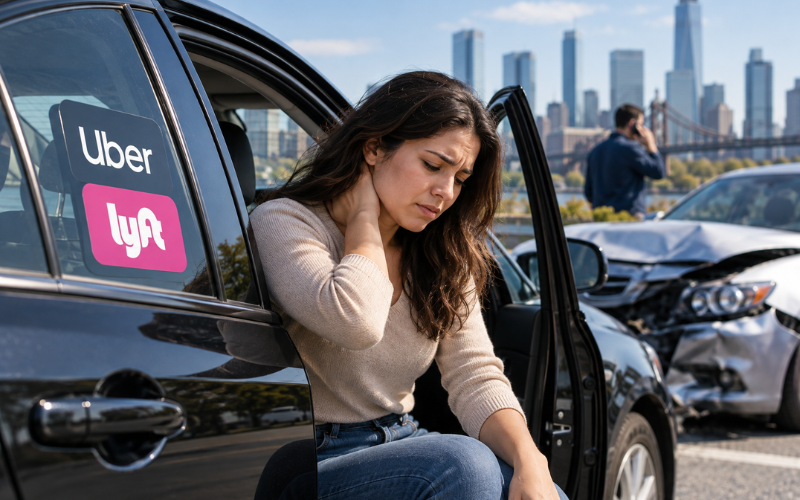
Rideshare services such as Uber and Lyft have become a common way to get around New Jersey. For passengers, a rideshare trip may seem similar to taking a taxi or riding with a friend. But when a collision occurs, determining which insurance coverage applies can involve additional questions.
New Jersey has specific laws governing transportation network companies (TNCs), the term used for companies that connect passengers with drivers through a digital platform. These laws establish insurance requirements for TNC drivers and companies, including different coverage requirements depending on what the driver was doing when the accident occurred.
For an injured passenger, understanding the driver's status, the circumstances of the crash, and the potentially applicable insurance policies can be important when evaluating what happened after an accident.
How Is a Rideshare Accident Different From an Ordinary Car Accident?
In a typical two-car accident, there may be two drivers, their personal auto insurance policies, and questions about which driver was responsible for the collision.
A rideshare accident can involve additional considerations. The driver may be using a personal vehicle while logged into Uber or Lyft, waiting for a passenger request, traveling to pick up a passenger, or transporting a passenger. The driver's status at the time of the accident can affect the insurance requirements that apply.
As a result, a passenger's claim may involve questions that aren't present in every ordinary motor vehicle accident.
What If the Rideshare Driver Caused the Accident?
If the rideshare driver was involved in causing the collision, the driver's TNC status and the circumstances of the trip may become relevant to determining what insurance coverage applies.
For example, the insurance requirements for a driver who is merely logged into the platform differ from the requirements that apply while the driver is providing a prearranged ride.
Other questions may also need to be considered, including whether the driver had accepted a passenger request, whether the passenger was already in the vehicle, and what insurance policies covered the vehicle and driver.
This is one reason a rideshare accident shouldn't necessarily be treated as a straightforward insurance claim based only on the fact that an Uber or Lyft vehicle was involved.
What If Another Driver Caused the Crash?
A rideshare passenger can also be injured when another motorist causes the collision.
In that situation, the other driver's liability insurance may be relevant. Questions can also arise concerning uninsured or underinsured motorist coverage, depending on the circumstances and applicable policies.
New Jersey's TNC law specifically requires uninsured and underinsured motorist coverage for certain periods of TNC operation, including at least $1.5 million when the driver is providing a prearranged ride.
Determining which coverage applies may therefore require looking at more than one vehicle, driver, insurance policy, and set of circumstances.
What Information Should You Preserve After a Rideshare Accident?
If you're involved in a rideshare collision, preserving information about the trip and accident can help document what occurred.
Consider keeping:
- The Uber or Lyft trip receipt
- Screenshots of the trip and driver information
- The driver's name and vehicle information
- The vehicle's license plate number
- Insurance information for the vehicles involved
- The police accident report, if one was prepared
- Names and contact information for witnesses
- Photographs or video of the vehicles and accident scene
- Photographs of visible injuries
- Medical records and bills
- Records concerning missed work or other accident-related losses
- Communications with the rideshare company or insurance representatives
It can also be helpful to keep these materials together rather than relying on information stored only in a rideshare application or email account.
Why Rideshare Accidents Can Become Complicated
The basic facts of a collision may appear straightforward, but the insurance questions can be more involved.
A rideshare accident may require consideration of who caused the collision, whether the driver was working through the rideshare platform, whether a ride had been accepted, whether a passenger was being transported, and which insurance policies were in effect.
New Jersey law establishes different insurance requirements based on the driver's rideshare activity.
There may also be questions about applicable filing deadlines. New Jersey Courts explain that the general statute of limitations for a personal injury action is two years, although various circumstances can affect the applicable time period.
That doesn't mean every injury claim follows the same timeline. Anyone with questions about a particular situation may want to discuss the applicable deadlines with a qualified attorney rather than relying on a general rule.
When Might It Make Sense to Speak With a New Jersey Personal Injury Attorney?
A conversation with a New Jersey personal injury attorney may be worth considering when an injured passenger has questions about insurance coverage, responsibility for the collision, or the legal process.
This may be particularly relevant when multiple vehicles were involved, the driver's rideshare status is unclear, an insurance company disputes coverage, or the passenger has suffered injuries requiring ongoing medical treatment.
An attorney can review the circumstances of an individual accident and explain how the applicable laws and insurance policies may relate to that situation. That review is different from assuming in advance which insurer is responsible or what the outcome of a claim will be.
Questions About a New Jersey Rideshare Accident?
An Uber or Lyft accident can involve more than determining which driver caused a collision. The rideshare driver's status, the timing of the trip, applicable insurance policies, and the circumstances of the accident can all affect how an injured passenger's situation is evaluated.
If you've been injured while riding in an Uber or Lyft in New Jersey and have questions about your situation, you can contact Antonucci Law through our contact form or call (908) 747-4477.
This article is provided for general informational purposes only and does not constitute legal advice. Reading this article or contacting the firm does not, by itself, establish an attorney-client relationship.