
Blog
Can Dash Cam Footage Help Your New Jersey Accident Claim?
- September 05, 2026 Leer en Español
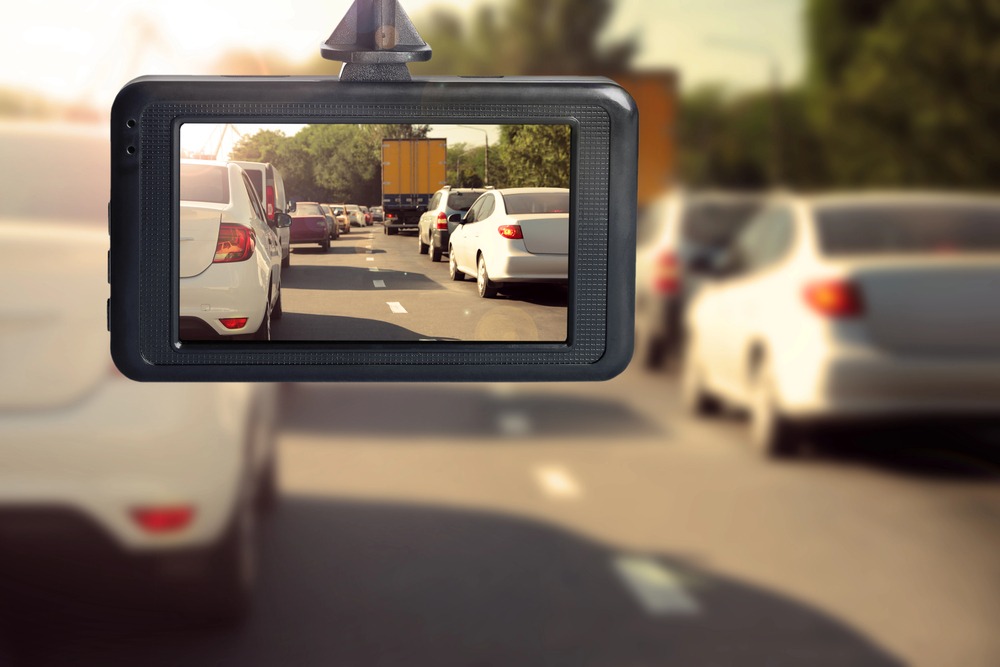
Dash cams have become a familiar sight on New Jersey roads. Once used mostly by commercial truck drivers and law enforcement, these small dashboard-mounted cameras are now common in personal vehicles, rideshare cars, and delivery fleets. Many drivers install them for added peace of mind, especially as concerns about distracted driving, aggressive behavior, and disputed insurance claims continue to grow.
When a crash happens, video footage can sometimes provide valuable insight into what occurred in the moments before impact. Insurance companies, attorneys, and investigators increasingly rely on digital evidence to evaluate accident claims. But an important question remains: can dash cam footage actually help prove fault after a New Jersey accident?
In many situations, dash cam footage may strengthen an injury or insurance claim by providing a clearer picture of the collision. At the same time, there are legal and practical limitations that drivers should understand. Video evidence can be powerful, but it is rarely the only factor considered during an accident investigation.
Why Dash Cams Are Becoming More Common in New Jersey
Dash cams have gained popularity for several reasons. Modern cameras are relatively affordable, easy to install, and capable of recording high-quality video. Some models even include night vision, parking surveillance, GPS tracking, and cloud storage.
At the same time, many New Jersey drivers are increasingly concerned about unsafe driving behaviors. Heavy traffic, distracted driving, road rage incidents, and insurance disputes have made many motorists feel more comfortable having an objective record of events while on the road.
Commercial drivers and rideshare operators often rely on dash cams as part of their daily work. Companies may use them to monitor driving habits, document accidents, and reduce fraudulent claims. Individual drivers are now adopting the same approach for personal protection.
How Dash Cam Footage Can Strengthen an Accident Claim
One reason dash cam footage may be valuable is that it can provide a contemporaneous visual record of part or all of an incident. Unlike witness memories, which can fade or differ between individuals, video footage may provide a more immediate record of road conditions and driver behavior.
Depending on the angle and quality of the recording, dash cam footage may help show:
- Traffic violations
- Speeding or reckless driving
- Failure to yield
- Rear-end collisions
- Unsafe lane changes
- Distracted driving behavior
- Sudden braking or swerving
This type of evidence may help investigators and insurance adjusters evaluate how the collision occurred and who may have been at fault.
For example, imagine a driver denies running a red light at a busy intersection. If dash cam footage clearly shows the traffic signal and vehicle movement, it may help clarify what occurred. In another situation, footage could capture a hit-and-run driver’s license plate or vehicle description.
Dash cams may also support other forms of evidence already involved in a claim. Video footage can reinforce witness statements, police reports, photographs, and physical evidence from the accident scene.
Insurance companies may consider visual evidence along with statements, police reports, photographs, medical records, and other available information. When footage aligns with other available evidence, it may strengthen the credibility of an injured driver’s version of events.
Dash cam footage also has limitations. A camera may capture only one angle, miss events outside its field of view, or fail to show important details because of darkness, weather, glare, or poor image quality. Footage may also lack the context needed to explain everything that happened before a collision. For these reasons, accident investigations generally consider multiple forms of evidence rather than relying entirely on video alone.
Is Dash Cam Footage Admissible in New Jersey?
Dash cam footage may be admitted as evidence in a New Jersey accident case if it satisfies the applicable rules of evidence. Among other considerations, the party offering the recording may need to establish that it is relevant and authentic. Admissibility depends on the circumstances of the case and is ultimately determined by the court.
Preserving the original file is important. Editing or altering footage may raise questions about its completeness or authenticity. Keeping the original recording, along with a separate backup copy, may help preserve the evidence for later review. Saving the footage immediately after an accident can help preserve important details.
Drivers should also be aware that dash cams capable of recording audio may raise separate privacy and consent considerations. The legality of recording or sharing a conversation can depend on who was recorded, where the recording occurred, and whether the participants had an expectation of privacy. New Jersey law separately addresses the recording of oral communications under N.J.S.A. 2A:156A-4.
How Insurance Companies Use Accident Video Footage
Insurance companies increasingly review digital evidence when investigating accident claims. Dash cam footage, traffic camera recordings, smartphone videos, and surveillance footage can all become part of the claims review process.
At the same time, insurers may also review footage critically. Partial recordings or unclear footage may be interpreted differently by opposing parties. A video that appears helpful at first glance may not capture the entire sequence of events leading to a collision.
What To Do After an Accident if You Have Dash Cam Footage
If you are involved in an accident and your dash cam recorded the incident, taking certain steps may help preserve important evidence.
First, contact law enforcement and seek appropriate medical attention if needed. Safety should remain the top priority after any collision.
Next, save the footage as soon as possible. Some dash cams automatically overwrite older recordings after a certain period of time. Backing up the file to another device or cloud storage may help prevent accidental deletion.
It is also helpful to take additional photographs of the accident scene, vehicle damage, traffic signals, and road conditions. Gathering contact information from witnesses may further support the investigation.
Drivers should also use caution before posting accident footage on social media. Publicly sharing video may complicate ongoing insurance or legal matters.
Finally, a New Jersey personal injury attorney can review the available footage and explain how it may affect a particular claim.
Call 908-201-8351 today for a Free Consultation