
Blog
Injured at a New Jersey Apartment Complex? Your Rights as a Tenant or Visitor
- January 01, 2026 Leer en Español
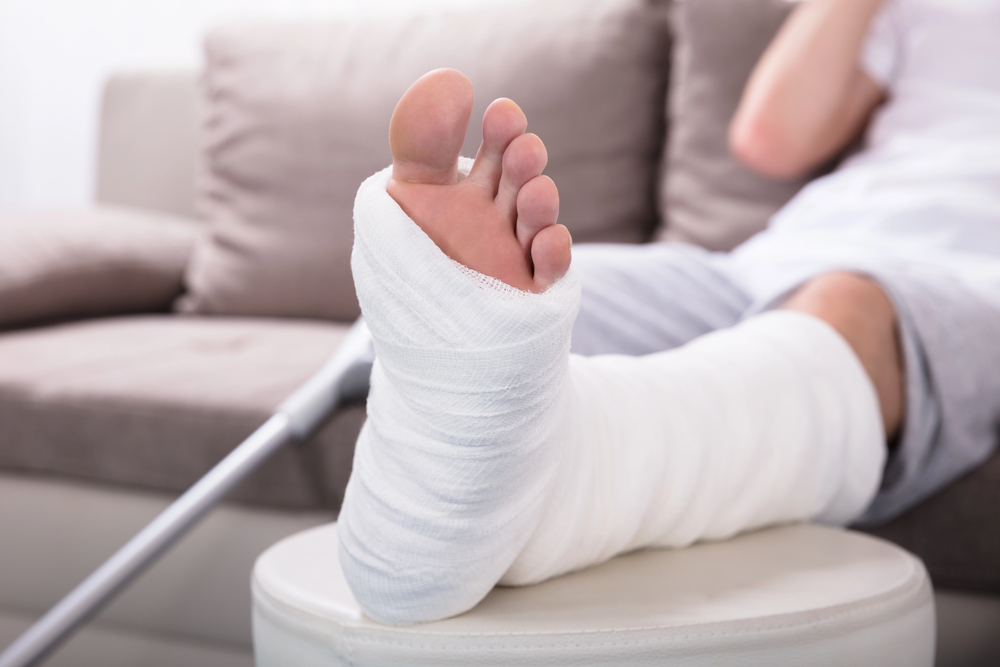
When you lease an apartment in New Jersey or visit someone who lives in one, you expect the building, corridors, stairs, and grounds to be safe. But what happens when a dangerous condition causes you harm? If you’re facing mounting medical bills, lost wages, or pain because you were injured in an apartment complex, you need clarity—not confusion.
At Antonucci Law, we know that an apartment injury NJ situation isn’t just a “little fall” or “minor accident.” Even what appears to be a small incident can have long-term consequences. That’s why you deserve a lawyer who knows landlord negligence in New Jersey and brings serious experience as a premises liability lawyer. Insurance companies are not on your side—and landlord negligence happens more often than people realize.
What Counts as an “Apartment Injury” in NJ?
An apartment injury NJ claim can cover a wide range of events where you’re hurt on rental property. Examples include:
- Trip-and-fall on uneven or broken walkways
- Slip or fall caused by water, ice, debris, or inadequate lighting in stairwells
- Injuries from defective railings, balconies, or stairs
- Assault or harm due to poor security or broken locks
- Injuries from faulty appliances, exposed wiring, or other maintenance neglect
What matters is that you were lawfully in the complex—as a tenant, guest, or visitor—and you were hurt because of a hazard that should have been addressed.
How Landlord Negligence in New Jersey Creates Legal Exposure
Landlords—and property managers—have a legal duty to keep apartment complexes reasonably safe. When they fail in that duty, that’s landlord negligence New Jersey. Here’s how it works:
- Duty of Care — Under New Jersey premises liability law, a property owner or landlord must maintain safe conditions and warn of hidden hazards. NJ Courts+1
- Breach of Duty — The landlord either knew (or should have known) about a harmful condition and did not correct it in a reasonable time.
- Causation & Injury — The condition caused your injury and the injury resulted in measurable damages (medical bills, lost wages, pain and suffering).
- Legal Rights of Tenants and Visitors — Tenants are owed a high degree of care; visitors (guests of tenants) may also have protection depending on their status.
If all these elements are present, you can pursue compensation—and you should not assume that “it’s just part of renting.”
Why Being a “Tenant” or “Visitor” Matters
Your status—tenant vs. visitor—can affect how you prove your case, though it doesn’t eliminate your rights.
- Tenant: You live in the unit. You may be familiar with the building and the conditions. When you report a hazard and a landlord fails to act, the responsibility is clearer.
- Visitor/Guest: You don’t live there, but you were legally on the premises. Landlords still owe you a safe environment in many cases.
- Important: Even visitors should not be treated as powerless. A skilled premises liability lawyer will evaluate your status and protect your rights.
Common Hazards in Apartment Complexes
Here are hazards we see often in apartment-injury NJ cases:
- Broken or missing handrails or guardrails
- Inadequate lighting in hallways, stairwells, parking lots
- Slippery surfaces, leaks, ice or snow not cleared
- Uneven sidewalks, potholes, broken steps
- Poor security (broken locks, unsecured entrances)
- Structural defects (balconies, stairways, flooring)
If you suffered an injury because of one of these, the hazard likely should not have been ignored.
What You Should Do Immediately After an Apartment Injury
Taking the right steps now can strengthen your claim:
- Seek medical care without delay. Your health comes first—and documentation matters.
- Report the hazard in writing to the landlord or property manager and keep your own copy.
- Document the scene with photos or video of the hazard and your injury.
- Secure witness contact info—people who saw how you were hurt or know the condition.
- Avoid giving detailed statements to insurance companies before a lawyer reviews them.
- Call a premises liability lawyer promptly. Even a short delay in action or preservation of evidence can impact your case.
How a Premises Liability Lawyer Can Help
When you hire a skilled premises liability lawyer for an apartment injury NJ event, you get more than legal jargon—you get advocacy, strategy, and support:
- A lawyer will determine who is liable: landlord, property manager, maintenance company, even a negligent tenant.
- They’ll help gather records: incident reports, maintenance logs, previous complaints, unit inspection history.
- They’ll assess damages: medical costs, lost wages, pain and suffering, future care needs.
- They’ll negotiate with insurance carriers who are accustomed to minimizing claims.
- If needed, they’ll prepare your case for court—landlords know when a plaintiff is represented and may adjust accordingly.
With Antonucci Law, you hire a team familiar with New Jersey apartment-injury claims, tenant rights, and how landlord negligence New Jersey plays out in real cases.
Our Local Advantage: Why Union & Middlesex County Experience Matters
Apartment injury claims often involve local rules, housing codes, and county-specific practices. Because we handle cases in Union and Middlesex County, we bring:
- Knowledge of local building inspection protocols and code?compliance expectations
- Experience with judges, clerks, and defense firms who handle apartment-complex claims
- The preparation and credibility of a court-tested firm—when landlords know you’re ready to try, they tend to settle more fairly
- Offices and support in your region so you’re not working with a distant law firm
What Tenants and Visitors Often Ask After an Apartment Injury in NJ
1. Who’s really responsible for what happened?
Responsibility in an apartment injury NJ case isn’t always clear-cut. Sometimes the landlord owns the property, but a separate management company handles maintenance. Other times, a cleaning contractor or snow-removal service failed to do their job.
A premises liability lawyer will investigate who controlled the area where you were hurt and whether safety rules or housing codes were ignored.
A premises liability lawyer will investigate who controlled the area where you were hurt and whether safety rules or housing codes were ignored.
2. What if the landlord never fixed a problem I already reported?
That’s one of the strongest signs of landlord negligence in New Jersey.
If you’ve filed maintenance requests, sent emails, or even texted photos of a dangerous condition — and the issue was ignored — that documentation is vital evidence.
It shows the hazard wasn’t a surprise; it was a risk that could have been prevented.
If you’ve filed maintenance requests, sent emails, or even texted photos of a dangerous condition — and the issue was ignored — that documentation is vital evidence.
It shows the hazard wasn’t a surprise; it was a risk that could have been prevented.
3. Can I still bring a claim if I was visiting, not renting?
Yes. Visitors have rights too. New Jersey law doesn’t limit safety obligations to tenants alone — landlords must also keep common areas safe for lawful guests, delivery workers, and maintenance visitors.
If you were invited onto the property and injured due to poor maintenance or unsafe conditions, you may still have a valid claim.
If you were invited onto the property and injured due to poor maintenance or unsafe conditions, you may still have a valid claim.
4. What should I be doing right now?
Start with your health: get checked by a doctor even if the pain seems minor. Next, photograph the area where you were injured, save all communication with management, and write down what happened while it’s still fresh.
Finally, call a premises liability lawyer before speaking to the landlord’s insurance company. One wrong statement can reduce your settlement later.
Finally, call a premises liability lawyer before speaking to the landlord’s insurance company. One wrong statement can reduce your settlement later.
5. Will hiring a lawyer make my landlord angry or affect my lease?
Taking legal action doesn’t have to be confrontational. It’s about protecting your rights, not punishing your landlord. Most cases are handled through insurance negotiations, not personal disputes.
A good attorney manages all communication professionally, so your relationship (and lease) remain as intact as possible.
A good attorney manages all communication professionally, so your relationship (and lease) remain as intact as possible.
6. What if I can’t afford legal fees?
At Antonucci Law, you don’t pay anything upfront. We work on a contingency fee basis — meaning our payment depends on your recovery.
You get high-quality representation without financial risk.
You get high-quality representation without financial risk.
7. How long will my case take?
Every situation is different. Some cases settle within months once liability is proven; others take longer if the insurance company resists responsibility.
The good news: having a trial-ready legal team often speeds up the process because insurers know we’re prepared to take the case all the way if needed.
The good news: having a trial-ready legal team often speeds up the process because insurers know we’re prepared to take the case all the way if needed.
Your Right to Fair Compensation
Don’t let a landlord shrug off hazard warnings—or an insurance company offer you a low-ball settlement. You were injured through no fault of your own, and you deserve full compensation. When you choose Antonucci Law, you choose a law firm that believes:
- Landlords must fulfill their duty of care—or face accountability.
- Tenants and visitors do not have to accept “just part of the rent comes with risk.”
- “Apartment injury NJ” claims deserve full value—not discounted, not delayed.
Contact Antonucci Law today for a free consultation. No upfront fees. Just experienced attorneys ready to help you recover and hold the negligent landlord accountable.
Put us to work for you with a